Luxury Sellers
How do you keep an Indian Wells luxury home sale discreet?
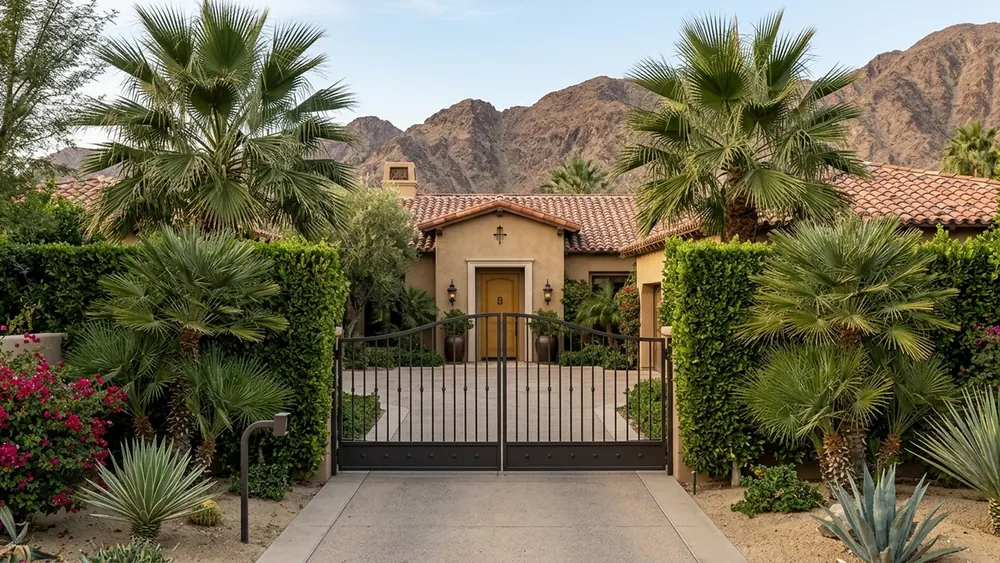
Keep an Indian Wells luxury home sale discreet by deciding your privacy level before any photos or showings, then planning who learns about the sale, how the home is shown and which details are shared, and when.
On this page
- Decide your privacy level before anything else
- What discretion can and cannot do
- Controlling what the public sees
- Managing showings behind the gate
- Telling neighbors and the club on your terms
- Who handles each privacy question
- Balancing privacy with reaching buyers
- Preparing for a private first conversation
Decide your privacy level before anything else
You keep an Indian Wells luxury home sale discreet by deciding how private you want it to be before anything else happens. That decision comes before photographs, before showings and before anyone outside the household hears about it. Once your comfort level is clear, every later step, from how the home is presented to who is invited inside, can be planned to match it.
This matters because privacy is hard to recover once it is lost. A photo shared widely, a sign at the curb or a casual remark at the club can make a sale public before you intended. Discretion works well as part of the plan from the first conversation, not as a correction made after word has already spread through the community.
It also matters because discretion means different things to different owners. For one, it is keeping the interior off the internet. For another, it is making sure neighbors hear about the sale from the owner first. For a third, it is simply limiting who walks through the home. Bob and Sue Ellen Ross start by asking which of these matters most to you, and they plan from your answer.
What discretion can and cannot do
A discreet sale can control a great deal: which images are shared, which details appear in any description, who is invited to see the home and how visitors are accompanied. It can also control timing, so the sale becomes visible only when you are ready. These are choices you make together with the people representing you, and they can be revisited as the sale moves along.
What discretion cannot do is change how a sale might turn out. A more private approach may reach buyers differently from a broad, public launch, and that trade off is worth discussing openly rather than assuming. No approach comes with a promised result, so the honest question is which balance of privacy and exposure fits your situation, and what you are comfortable giving up for each.
Tell us how private you want this to be before we take a single photo. Every later choice follows from that answer, so we settle it first.
Controlling what the public sees
Images are usually the first place privacy is decided. You can choose to show exterior views and outdoor spaces while keeping personal rooms out of public view, or to share interior images only with buyers who have been introduced. Put away family photographs, artwork that identifies you and anything carrying a name or account number before any camera arrives. A photographer can frame most rooms in a way that shows the space without revealing who lives there.
Descriptions matter too. A listing can describe a home’s setting, layout and features without naming the owner or hinting at who lives there. If you prefer, details that could identify you, such as a distinctive collection or a recognizable room, can be left out entirely. Plain, accurate language about the home itself serves a discreet sale well and keeps attention on the property.
Signs, open houses and public events are optional tools, not requirements. Some owners prefer no sign and no open house at all. Others are comfortable with both later in the process. Decide these points at the start and write them down, so everyone working on the sale follows the same plan from the first day rather than improvising. A written plan also makes it easy to change course deliberately if your comfort level shifts.
Managing showings behind the gate
Showings are where privacy is most exposed, because people you do not know are inside your home. You can ask that every showing be by appointment, that visitors be accompanied throughout and that buyers be introduced before a visit is scheduled. Lock away valuables, documents, medications and anything personal, even when you trust everyone involved. A short checklist before each showing keeps this consistent.
Gated communities add a practical layer. Think about how visitors will be cleared at the gate, who will arrange access and how much the gate staff need to know. If the home is in a club community, consider whether and when you want the club informed. Bob and Sue Ellen Ross work through these access details with you, so each visit is handled smoothly and without fanfare.
Telling neighbors and the club on your terms
News of a sale can travel fast in any community. Many owners want to decide for themselves when neighbors, friends at the club and the homeowners association learn about it. Planning that sequence ahead of time lets you share the news personally rather than having it reach people secondhand. Consider who should hear first, who can wait and what you would like to say.
- Close family and anyone who shares ownership of the home with you
- Neighbors whose views, access or daily routine the sale might touch
- The homeowners association, if documents or approvals will be needed for the sale
- The club, if membership questions are likely to come up with interested buyers
The association and the club each have their own processes, and some may need information as the sale progresses. Ask each one directly what they need and when, rather than assuming. Questions about contracts, disclosure obligations or confidentiality terms belong with a real estate attorney, who can tell you what must be shared and what can stay private. Getting those answers early means nothing about the process catches you off guard later.
Who handles each privacy question
A discreet sale touches several parties, and each one answers different questions. Keeping those lines clear means nobody guesses at a rule or shares more than you intended. This table sets out common privacy questions, why each one matters and who should answer it, so you can work through them in a sensible order before the home is shown. Revisit it whenever your plans change.
| Privacy question | Why it matters | Who answers |
|---|---|---|
| How much of the home is shown publicly | Sets the level of exposure from the start | You, with Bob and Sue Ellen Ross |
| How showings and visitors are managed | Protects your home and your belongings | Bob and Sue Ellen Ross |
| What must be disclosed to buyers | Disclosure duties are not skipped for privacy | A real estate attorney |
| What the association needs for a sale | Documents may be required along the way | The homeowners association |
| How membership questions are handled | Buyers will want accurate club information | The club directly |
Notice that privacy never overrides disclosure. A discreet sale still shares everything a buyer is entitled to know about the home’s condition, and a real estate attorney can explain those obligations. Discretion is about who sees your life, not about withholding facts. Holding that line keeps a private sale clean and protects you long after closing. A buyer who trusts the disclosures tends to be more comfortable with everything else.
Balancing privacy with reaching buyers
Every degree of privacy involves a choice about exposure. A very private approach limits who knows the home is available, while a broader approach lets more buyers see it. Neither guarantees anything. The useful conversation is about where you sit between those two ends today, and whether that might shift as the desert season unfolds and your plans become clearer. You can always widen exposure later.
Your own situation shapes the balance. A seasonal owner who is away for part of the year may want tighter control over access, while an owner who has already told friends may be comfortable with more visibility. Bob, who ran a manufacturing business before real estate, brings a businesslike habit to these choices: write the plan down, agree on it, then follow it.
Preparing for a private first conversation
Before your first conversation about a discreet sale, write down who already knows you might sell, what you would prefer stay private and how you feel about photographs, signs and open houses. Note whether the home sits in a gated or club community and where you will be while it is on the market. Bring any association documents you already have. A short page of notes is enough to begin.
When you are ready, bring those notes to Bob and Sue Ellen Ross of Grand Luxury Properties in Indian Wells. They will listen first, then help you build a plan that fits your comfort level, at your pace and without pressure. A conversation about selling does not commit you to anything. What would you most want kept private if you sold?
This article is general information about buying and selling homes in Indian Wells and nearby desert cities. It is not legal, tax, lending, insurance or inspection advice and does not predict prices or promise results. Confirm club membership terms with each club, association fees and rules with the association, services and taxes by address with official sources, financing with a lender, and property condition with a licensed home inspector. Bob Ross, Grand Luxury Properties.

Written by